Alternatives to Traditional Sensory Diets for Kids
Pediatrics, Sensory Processing, Parenting Support
What Can I Use Instead of a Traditional Sensory Diet for My Child?
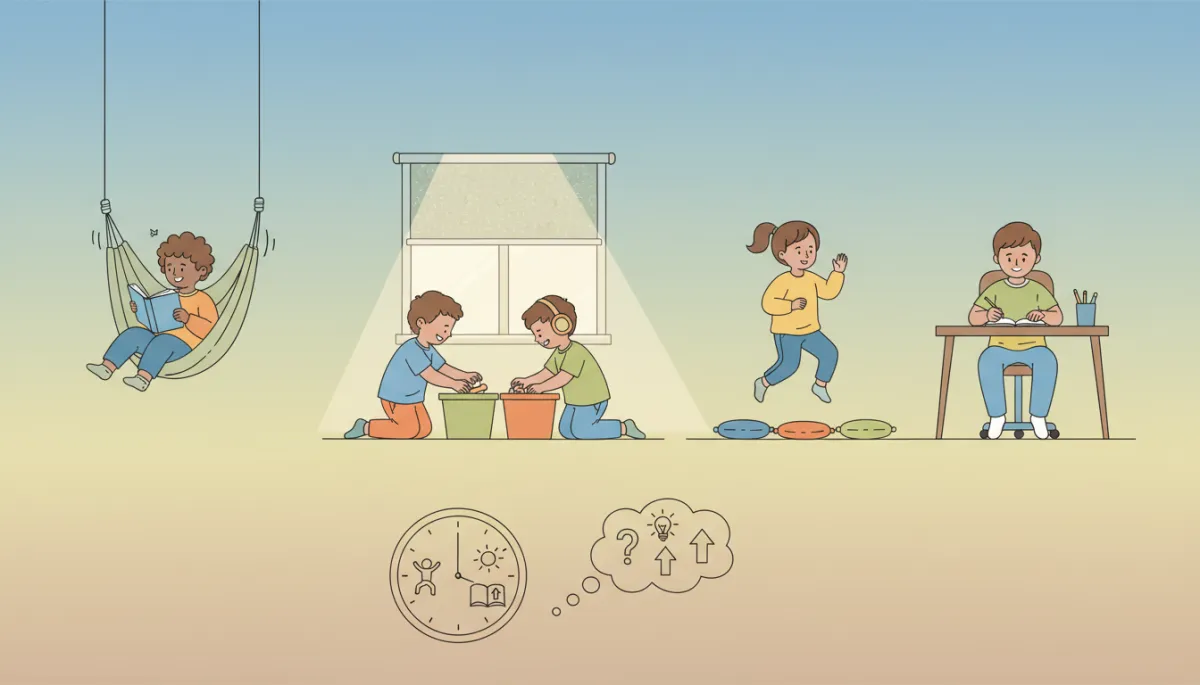
Instead of relying on a rigid sensory diet, parents can build individualized regulation strategies directly into everyday routines—for example, movement before homework, environmental changes during dressing, or predictable quiet time after school. The goal should be improved participation in daily life, not simply completing a list of sensory activities.
Key Takeaways: Rethinking the Sensory Diet
When parents hear the phrase sensory diet, it can sound official and therapeutic—but also confusing and overwhelming. Before we look at alternatives, it helps to clarify a few essentials:
A sensory diet isn't related to food or nutrition; it refers to planned sensory experiences across the day.
Generic sensory schedules are not the same as individualized treatment tailored to your child and family routines.
The same sensory input can affect two children very differently—what calms one may overwhelm another.
Routine-based strategies can be easier for families to maintain than separate “sensory time” blocks.
Environmental modifications may sometimes be more useful than adding sensory activities on top of an already busy day.
Every strategy should have a clear functional reason for being used—what is it helping your child actually do?
What Is a Sensory Diet, Really?
A sensory diet generally refers to planned sensory activities incorporated throughout a child's day with the intention of supporting regulation and participation. In practice, this sometimes turns into long lists of ideas that look like this:
Jump 10 times.
Do animal walks across the room.
Swing for 5 minutes.
Push something heavy down the hallway.
Repeat every two hours.
These activities aren't “bad.” Movement, deep pressure, and other sensory experiences can absolutely help some children feel more regulated. But the real question is always:
What problem are we trying to solve?
For one child, the concern might be morning meltdowns while getting dressed. For another, it might be crashing into classmates and struggling to sit in circle time. The same “sensory diet” will not meet both sets of needs in the same way, because their sensory systems, preferences, and daily demands are different.
To understand why, my guide to Sensory Processing Disorder in children explains how sensory systems affect regulation and why one child may seek an experience another child avoids. This background helps families move away from generic lists and toward individualized regulation strategies.
Alternatives to a Traditional Sensory Diet: Start With the Real-Life Problem
Instead of starting with “Which sensory activities should we do?”, a more practical question is, “Where does daily life consistently fall apart?” That shift in thinking is at the heart of alternatives to a traditional sensory diet.
Build Support Around an Actual Problem
Many families are told to schedule “sensory time” into the day:
Instead of: “3:00 PM — sensory activity.”
Try anchoring strategies to the specific challenge you see over and over again. For example:
Problem: Homework after school consistently falls apart—your child is restless, tearful, or refuses to start.
Possible routine: Snack, appropriate movement, predictable transition, then shorter homework blocks.
Now every part of the routine has a purpose. You're not completing sensory activities for their own sake. You're trying to improve homework participation and make that part of the day more manageable for both of you.
💡 Pro Tip: When you write a plan, phrase it in terms of the activity (homework, mornings, mealtimes), not the sensory input (swinging, jumping, squeezing). That keeps the focus on function.
Individualized Regulation Strategies Built Into Everyday Routines
One of the most powerful alternatives to a sensory diet is to weave individualized regulation strategies directly into things you already do: waking up, dressing, going to school, playing, eating, and winding down for bed. This makes support feel less like an extra therapy program and more like a natural part of family life.
Examples of Routine-Based Strategies
Before homework: A brief movement break that truly fits your child—maybe animal walks to the table, a few minutes on a mini-trampoline, or carrying a stack of books, followed by a calm, predictable start signal like a timer or visual schedule.
During dressing: Offering choices between soft, tagless clothing; letting your child pull on their own socks for extra proprioceptive input; or turning on quiet background music if sound helps them stay regulated while you move through the steps together.
After school: Predictable “landing time” before demands—snack at the same spot, 10 minutes of preferred play, then a clear transition routine to the next activity instead of jumping straight into chores or homework.
Before bed: A consistent wind-down pattern that might include dimmer lights, quiet play, deep-pressure hugs or a weighted blanket if recommended, followed by the same short bedtime sequence each night.
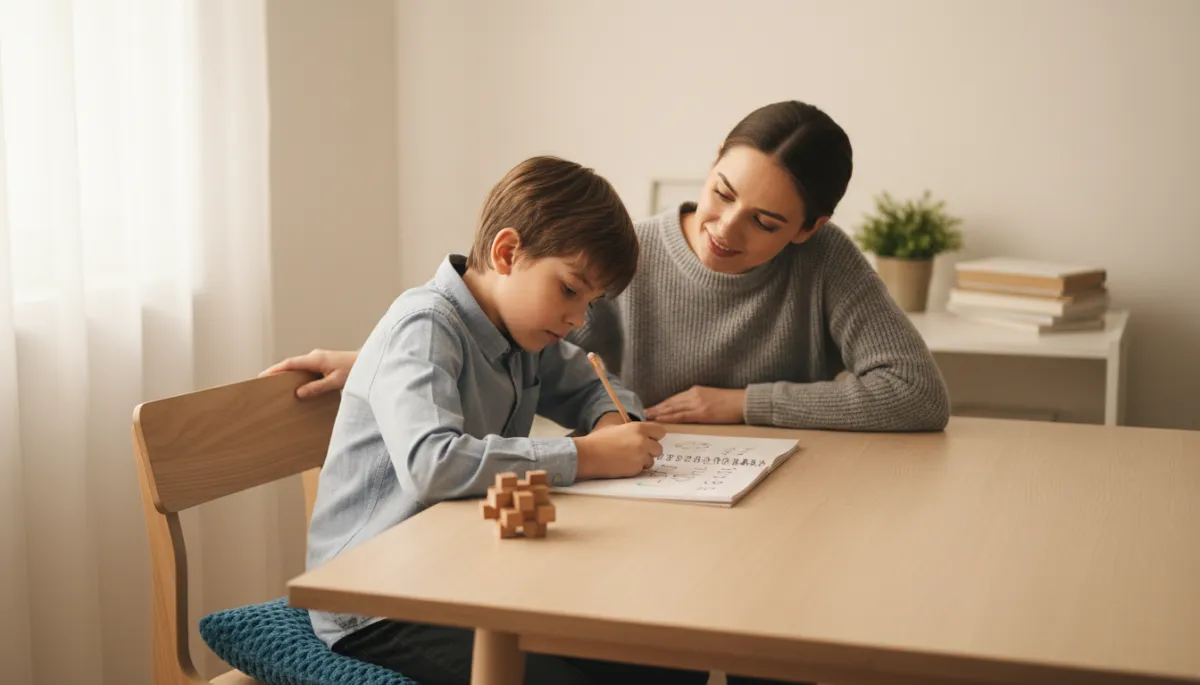
Routine-based supports often feel easier to maintain than separate sensory schedules.
Environmental Modifications: Changing the Space Instead of the Child
Another powerful alternative to traditional sensory diets is to adjust the environment rather than adding more and more activities. Sometimes, the fastest way to help a child participate is to reduce the demands on their sensory system instead of increasing input.
Practical Environmental Changes You Can Try
Depending on the child and activity, helpful environmental modifications might include:
Reducing visual clutter around homework, mealtimes, or play areas so your child can focus on one thing at a time.
Providing a quieter workspace—closing a door, using noise-dampening headphones, or moving away from busy family traffic zones during demanding tasks.
Adjusting lighting by using softer lamps instead of bright overhead lights, or letting your child sit away from windows if glare is bothersome.
Changing clothing—removing scratchy tags, choosing seamless socks, or allowing preferred fabrics when possible to reduce constant tactile irritation.
Reducing competing noises, such as turning off the TV during meals or homework, or moving a child away from the loudest part of the classroom when possible.
Altering seating—using a footrest, a slightly heavier chair, a cushion, or a spot at the end of the table so your child has fewer people brushing past them.
Breaking tasks into smaller, more predictable segments with short breaks in between so the whole activity feels less overwhelming.
Creating more predictable routines using visual schedules, timers, or consistent wording to help your child anticipate what's coming next.
For additional examples, How can I help a child with sensory issues at home without making things worse? gives parents a practical, observation-first process. This kind of approach helps you notice patterns in your child’s behavior and choose environmental changes that match those patterns, rather than guessing or trying every idea you see online.
📌 Key Takeaway: Sometimes the most effective “sensory strategy” is not another activity—it’s making the space quieter, simpler, or more predictable so your child doesn’t have to work as hard to stay regulated.
Every Strategy Needs a Functional Reason
Whether you are using movement, equipment, or environmental changes, one principle ties all effective alternatives to a sensory diet together: every strategy should have a job. In other words, it should clearly support something your child needs to do in daily life.
Turning Sensory Activities Into Functional Supports
Instead of “swinging because swinging is calming,” you might think, “We use 5 minutes of swinging to help my child shift from busy playground energy to a calmer state so they can sit for snack.”
Instead of “jumping on the trampoline three times a day,” you might decide, “We offer jumping right before tasks that require sitting still, like virtual school or car rides, because it helps my child settle their body.”
Instead of “chewy snacks for sensory input,” you might say, “We use chewy or crunchy snacks during homework because they help my child keep their focus on the page.”
This shift keeps strategies from becoming random or overwhelming. It also makes it much easier to notice whether something is actually helping—because you know exactly what it’s supposed to be helping with.
What About Sensory Equipment?
Sensory equipment—like swings, weighted items, chewable jewelry, or wobble cushions—can be very helpful when there is a clear reason for using them. The challenge is that many products are marketed as “must-haves” without explaining what they are actually supposed to improve.
Ask Every Tool to Do a Specific Job
Instead of buying something simply because the packaging says “sensory,” pause and ask:
What specific activity should this help my child do better?
A wobble cushion might be used to help your child sit long enough to finish a short meal without constantly leaving the table.
Chewelry might be intended to reduce shirt chewing during class so clothing lasts longer and your child’s skin is less irritated.
A small indoor swing might be chosen to support after-school regulation so transitions into the evening routine are smoother.
If you’re considering equipment, What are the best sensory tools for children who struggle to sit, focus, or stay regulated? explains how to choose tools by function instead of popularity. This way, any equipment you bring into your home is part of a thoughtful plan, not just another item taking up space.
⚠️ Warning: More equipment is not always better. Too many options can make it harder for children to know what to use and when, and can add stress for parents trying to manage it all.
How Do I Know Whether Our Routine Is Working?
Whether you’re using movement, environmental changes, or specific tools, it’s important to know how to judge whether a strategy is actually helpful. Otherwise, families can end up clinging to routines that are exhausting to maintain but don’t change daily life in meaningful ways.
Step 1: Define the Desired Outcome
Before you start, write down a simple, realistic outcome you hope to see. For example:
“Completes 15 minutes of homework with no more than one movement break.”
“Gets dressed for school with no more than one major meltdown on most days.”
“Stays at the table for the first 10 minutes of dinner at least four nights a week.”
Step 2: Try the Strategy Consistently
Put your routine or environmental change in place and use it consistently for a set period—often one to two weeks is enough to see a pattern, as long as your goal is realistic and your child is generally well during that time (not sick or going through a major life change).
Step 3: Observe and Adjust
Then observe whether your strategy consistently improves the outcome you defined. Ask yourself:
Is the activity easier, the same, or harder than before we added this support?
Do I feel less stressed, the same, or more stressed when we use this routine?
Does my child seem calmer and more able to participate, or more dysregulated and resistant?
If it doesn't help, don't keep doing it simply because it was labeled a sensory activity. It’s okay to say, “This isn’t working for us,” and either adjust the strategy or let it go entirely.
At Kerrie Rowe OT, this same principle guides recommendations: sensory and regulation strategies should fit the child's actual routines and have a clear functional purpose rather than becoming another generic schedule for families to follow.
Frequently Asked Questions About Sensory Diet Alternatives
Does every child with sensory issues need a sensory diet?
No. Supports should be individualized to the child's needs and functional difficulties. Some children benefit more from environmental changes and predictable routines than from scheduled sensory activities. Others may need a combination of both. The key is whether the supports you choose improve your child’s ability to participate in everyday life—not whether they fit a particular label.
What can I do instead of a sensory diet?
Parents can use a mix of individualized movement opportunities, environmental modifications, predictable routines, regulation strategies, and activity-specific accommodations. Examples include:
Building movement into transitions (walking the dog before homework, carrying groceries from the car, or doing a playful “delivery job” around the house).
Simplifying spaces where your child is easily overwhelmed, like reducing clutter in their bedroom or setting up a calm corner for breaks.
Using predictable language and visual supports so your child knows what is coming next and what is expected.
Adjusting how tasks are presented—shorter chunks, more breaks, or offering two acceptable choices to increase your child’s sense of control.
Can I create a sensory routine myself?
Many parents successfully create supportive routines by observing what helps their child and what consistently makes things harder. You don’t have to get it perfect from the start—small, thoughtful changes can make a big difference. However, more significant sensory challenges, safety concerns, or very intense behaviors may benefit from an individualized professional assessment with an occupational therapist who understands sensory processing and family routines.
How do I know whether a sensory strategy works?
Define a measurable daily-life outcome before using the strategy, then determine whether participation consistently improves. If your goal is “fewer meltdowns during dressing,” track how often they happen before and after you change the routine or environment. If your goal is “more time on task for homework,” notice whether your child can truly work longer with the support in place. Over time, this simple measure—Is daily life easier or harder?—is more important than any specific activity list.
Bringing It All Together
You don’t have to follow a rigid sensory diet to support your child’s regulation. In fact, many families find it more sustainable and effective to:
Start with a specific problem in daily life rather than a general list of activities.
Build individualized regulation strategies into routines they already have—before school, after school, mealtimes, and bedtime.
Use environmental modifications to reduce sensory overload instead of always adding more input.
Choose sensory equipment carefully, only when it has a clear job tied to a real activity.
Measure success by participation in daily life, not by how many sensory tasks you complete.
Over time, this approach tends to feel kinder to both children and parents. Instead of chasing the “perfect” sensory diet, you’re creating a flexible, thoughtful environment where your child can grow, learn, and participate in the ways that matter most to your family.