Understanding Sensory Sensitivity in Children
Parenting, Sensory Processing, Child Development
Why Is My Child So Sensitive to Sounds, Clothing, Food, or Touch?
If your child reacts much more strongly than expected to sounds, clothing, food textures, grooming, or touch, sensory over-responsivity may be one possible explanation. What matters most is not simply whether your child dislikes something, but whether the response is intense, persistent, and interfering with everyday activities.
What Does Sensory Sensitivity Look Like in Children?
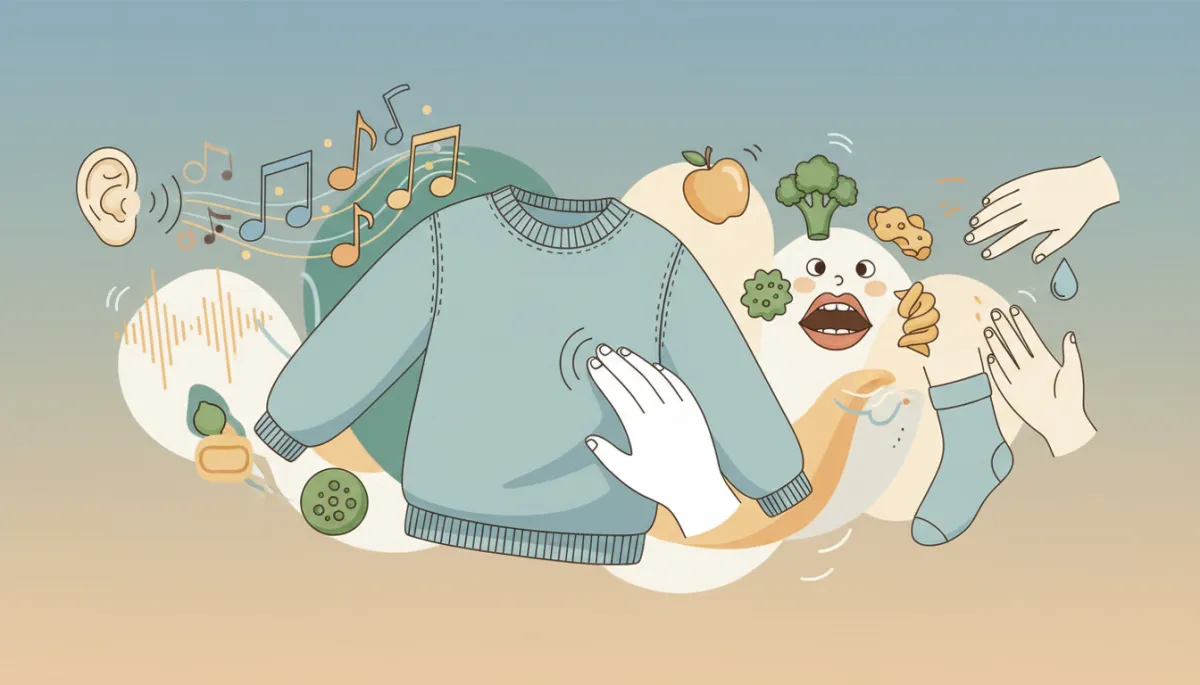
Sensory sensitivity can involve sound, touch, taste, smell, vision, movement, or several systems at once. Children may show strong reactions in one area and appear typical in others. I often hear parents say:
"My child refuses to wear jeans."
"Every fire drill is a disaster."
"She says her socks hurt."
"He gags when certain foods touch his tongue."
"Haircuts are almost impossible."
"She covers her ears in public bathrooms."
These reactions can sometimes reflect sensory over-responsivity, where everyday sensory input produces a particularly strong response. A sensation can feel genuinely uncomfortable to your child even when it does not bother you at all. Their nervous system may register certain input as intense, irritating, or even painful, rather than neutral background information.
If you are trying to understand why sensory responses can look so different from one child to another, the complete guide to Sensory Processing Disorder in children explains the different sensory systems and how sensory avoiding and sensory seeking can both appear in everyday life.
Is My Child Being Difficult or Genuinely Uncomfortable?
I encourage parents to begin by assuming the child's experience is genuine. A sensation can be truly uncomfortable or overwhelming, even if it seems minor to adults or other children. Sensory sensitivities can occur with or without ADHD, autism, or another diagnosis, so labels alone do not define whether your child's experience is valid.
Avoidance is not always defiance or misbehavior. A child refusing socks because the seam feels extremely uncomfortable needs a different approach from a child delaying dressing because they do not want to stop playing. The outward behavior can look identical. The reason behind it may be completely different, and understanding that reason is central to choosing an effective response.
📌 Key Takeaway: Patterns across activities are more informative than one isolated sensitivity. A single difficult haircut may not be meaningful; repeated, intense reactions across similar situations suggest a sensory component.
Why Does My Child Cover Their Ears Around Everyday Sounds?
Some children appear particularly sensitive to auditory input. Common triggers can include:
Hand dryers
Vacuum cleaners
Toilets flushing
Fire alarms
Blenders
Crowded restaurants
School assemblies
Multiple people talking simultaneously
Notice whether the reaction occurs with volume alone or with unpredictable sounds, certain frequencies, crowded environments, or several competing sounds. This detail helps distinguish a general dislike of loud noise from a more specific sensory pattern. For many children, these sounds are not simply “annoying”; they may feel startling, intrusive, or overwhelming enough to trigger crying, escape behaviors, or shutdown.
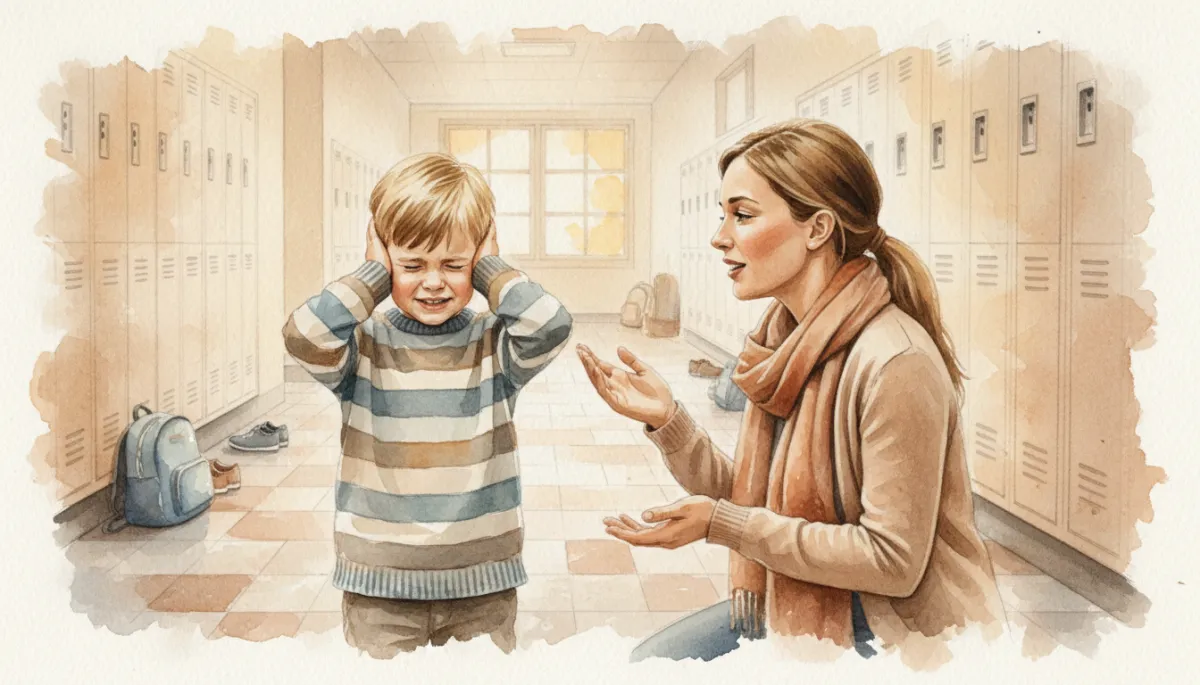
Consistent reactions to everyday sounds can signal that noise is genuinely overwhelming.
Why Does My Child Say Clothing Hurts?
Touch sensitivity can make certain sensations particularly noticeable or uncomfortable. Parents may notice difficulties involving:
Tags and seams
Socks and waistbands
Jeans or stiff fabrics
Tight sleeves or restrictive clothing
Certain fabrics or textures
Shoes or wet clothing
Instead of assuming the child is being picky, look for consistency. Does the same type of clothing trigger the reaction repeatedly? Does removing a tag solve the problem? Is getting dressed affecting the entire family's morning routine? Those details matter because they indicate whether the sensation is a mild preference or a significant barrier to daily participation.
What About Food Textures and Eating?
Sensory factors can contribute to food avoidance, but feeding is complex. Texture, taste, smell, temperature, oral-motor skills, medical factors, previous experiences, and anxiety can all influence eating. Some children gag when certain foods touch their tongue or refuse entire categories of texture, such as crunchy or mixed-consistency foods.
Severe food restriction, gagging, swallowing concerns, poor growth, or other significant feeding problems deserve appropriate professional attention rather than being assumed to be “just sensory.” A coordinated evaluation can help determine whether sensory processing, motor skills, medical conditions, or a combination of factors is contributing.
How Can I Track Patterns in My Child’s Sensory Responses?
Patterns across activities are more informative than one isolated sensitivity. A structured record can help you and professionals see those patterns clearly. Start by tracking:
Situation (where and when it happened)
Suspected trigger (sound, clothing, food texture, touch, etc.)
Child's response (behavior and words)
Intensity (how strong the reaction was)
Duration (how long it lasted)
What helped (strategies or changes that reduced distress)
Once you identify a pattern, small environmental modifications can sometimes make a meaningful difference. A more detailed, step-by-step process is outlined in How can I help a child with sensory issues at home without making things worse?
When Should I Consider Occupational Therapy?
I become more interested in evaluation when sensory sensitivities repeatedly prevent a child from participating in ordinary activities. OT evaluation may be appropriate when sensitivities interfere with dressing, eating, hygiene, school, sleep, or community participation. For example, avoiding school bathrooms because of flushing sounds, refusing enough clothing that getting ready for school becomes a daily battle, or being unable to tolerate tooth brushing or hair washing all deserve a closer look.
In work with families through Kerrie Rowe OT , the focus is less on whether a child can be described as “sensory sensitive” and more on whether those sensitivities are preventing them from participating successfully in everyday life. Sensory differences can occur in autism, ADHD, or other diagnoses, but they can also appear on their own. The presence or absence of a diagnosis does not change the importance of supporting participation.
Frequently Asked Questions
Why Does My Child Hate Loud Noises but Other Children Do Not?
Children process and respond to sensory information differently. For some children, sounds that other people barely notice may feel distracting, uncomfortable, or overwhelming. Their nervous system may amplify or prioritize these sounds, making it harder to filter them out and stay calm or focused.
Why Does My Child Say Clothes Hurt?
Tactile sensitivity may make seams, tags, elastic, fabrics, or tight clothing particularly noticeable or uncomfortable. What feels like a minor itch or pressure to an adult can feel sharp, scratchy, or irritating to a child with sensory over-responsivity, leading to tears, refusal, or prolonged distress.
Are Sensory Issues a Sign of Autism?
Sensory differences can occur in autism, but sensory issues alone do not mean a child is autistic. Many children without autism experience sensory sensitivities. If you have broader concerns about communication, social interaction, or behavior alongside sensory differences, a comprehensive developmental evaluation can be helpful.
Can Occupational Therapy Help a Child Who Hates Clothing?
Potentially. An occupational therapist can evaluate whether tactile processing, dressing skills, regulation, motor planning, or another factor is contributing and recommend strategies based on the child's individual needs. The goal is not to dismiss the discomfort but to gradually build comfort, flexibility, and independence while protecting the child's sense of safety.